Creating Resilient Native Wildflower Landscapes
Gardening in Canada presents unique challenges that require a shift in perspective. Instead of fighting the climate, we embrace it by working with the plants that have called this land home for millennia. At Plantoriumbroz, we design outdoor spaces that feel like a natural extension of the landscape, moving away from high-maintenance lawns toward self-sustaining, biodiverse ecosystems.
Our philosophy centers on the idea that a garden should do more than just look good; it should function as a living, breathing part of the environment. When you choose native plants, you are choosing resilience, beauty, and a commitment to the health of your local area.
The Beauty of Native Landscapes
Native plants offer a depth of character that exotic species often lack. They possess a rugged elegance, shifting colors with the seasons and providing structural interest even in the depth of winter. A native garden is never static; it is a dynamic display of life that changes from week to week, offering a constant source of wonder.
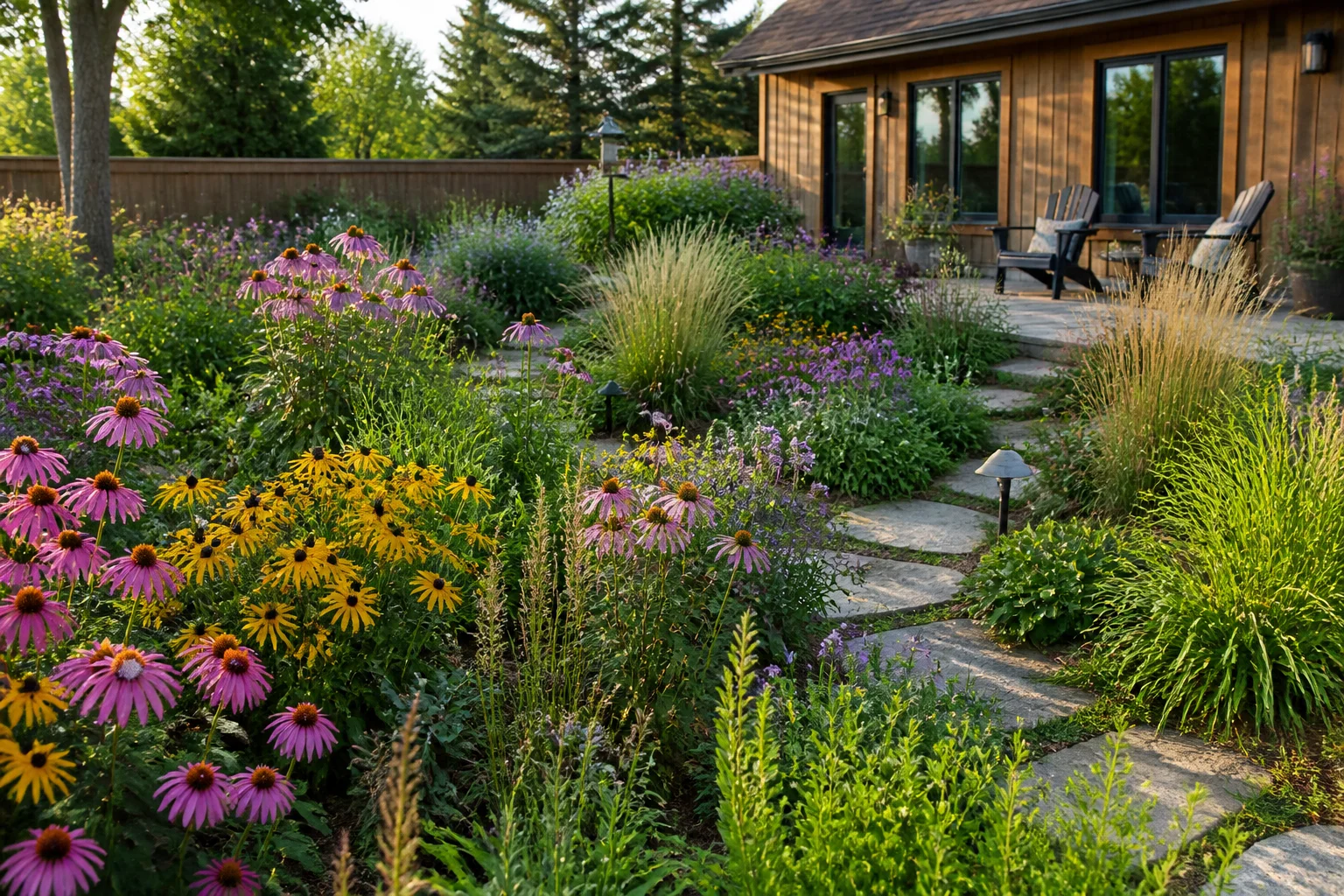
Many homeowners worry that a native garden means letting the yard go wild. This is a common misconception. We bring order to the wild by using intentional design principles. We create clear sightlines, use repetition to guide the eye, and ensure that taller plants are placed where they add depth without obstructing views.
Designing for the Canadian Climate
Our winters are long, and our summers can be erratic. Designing for this reality requires deep knowledge of soil types, moisture levels, and the specific microclimates found in your backyard. We assess your property to identify where the sun hits, where water pools, and where the wind whips through, selecting plants that are naturally equipped to handle these conditions.
- Milkweed for Monarch butterfly support and vibrant summer blooms.
- Purple Coneflower which provides sturdy, drought-tolerant structure and winter seeds.
- Wild Bergamot to attract a wide variety of native bees and pollinators.
- Little Bluestem grass for its stunning fall color and winter texture.
- Black-eyed Susan to provide reliable, cheerful color throughout the mid-summer months.
- New England Aster for critical late-season nectar when other food sources vanish.
Supporting Local Pollinators
The decline of pollinator populations is a serious concern, but your garden can be a part of the solution. By providing a diverse range of native plants, you offer a lifeline to bees, butterflies, and beneficial insects. These creatures are the engine of our ecosystem, and their presence makes your garden healthier and more productive.
We focus on creating continuous bloom sequences. This ensures that as soon as the first pollinators emerge in the spring, there is food available for them. This cycle continues through the heat of summer and into the late autumn, providing the resources necessary for pollinators to thrive and prepare for the winter months ahead.
Installation and Long-Term Care
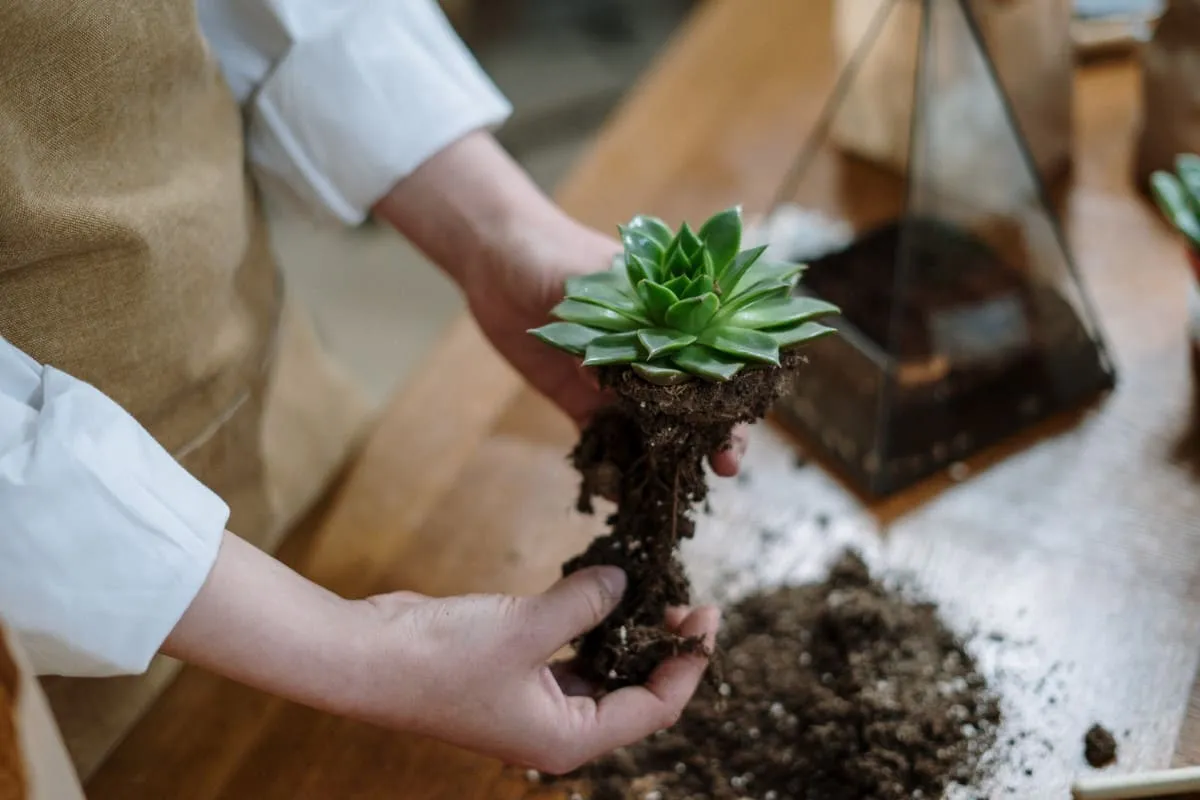
The installation process is where our vision becomes reality. We prepare the site with care, focusing on soil health rather than just clearing the ground. We remove invasive species that threaten the integrity of your local environment and replace them with native alternatives that will take root and thrive without the need for synthetic fertilizers or excessive watering.
Once the plants are in the ground, they need time to establish. We guide you through the first few seasons, helping you understand what to look for and how to nurture your new landscape. After this initial period, native gardens are remarkably self-sufficient, requiring far less intervention than traditional lawns or flowerbeds.
Sustainable Gardening Practices
Water conservation is at the heart of what we do. Traditional lawns are water-hungry, requiring constant irrigation to stay green during dry spells. Native landscapes, once established, are deeply rooted and naturally drought-tolerant. They are designed to manage rainwater effectively, reducing runoff and keeping moisture in the soil where it is needed most.
We also emphasize the importance of leaving the garden standing through the winter. The dried stalks of perennials provide essential shelter for overwintering insects and birds. By shifting our perspective on what a tidy garden looks like, we can create spaces that are not only beautiful but also ecologically vital, serving as a sanctuary for wildlife throughout the year.
Your garden has the potential to be more than just an aesthetic choice. It can be a resilient, living legacy that connects you to the natural world. By choosing to work with the native plants of Canada, you are creating a space that is as tough as it is beautiful, ensuring that your outdoor environment remains vibrant and healthy for years to come.